Support for Autism and Learning Disabilities at Home: What Families Should Look For

Published by
Care Opt Editorial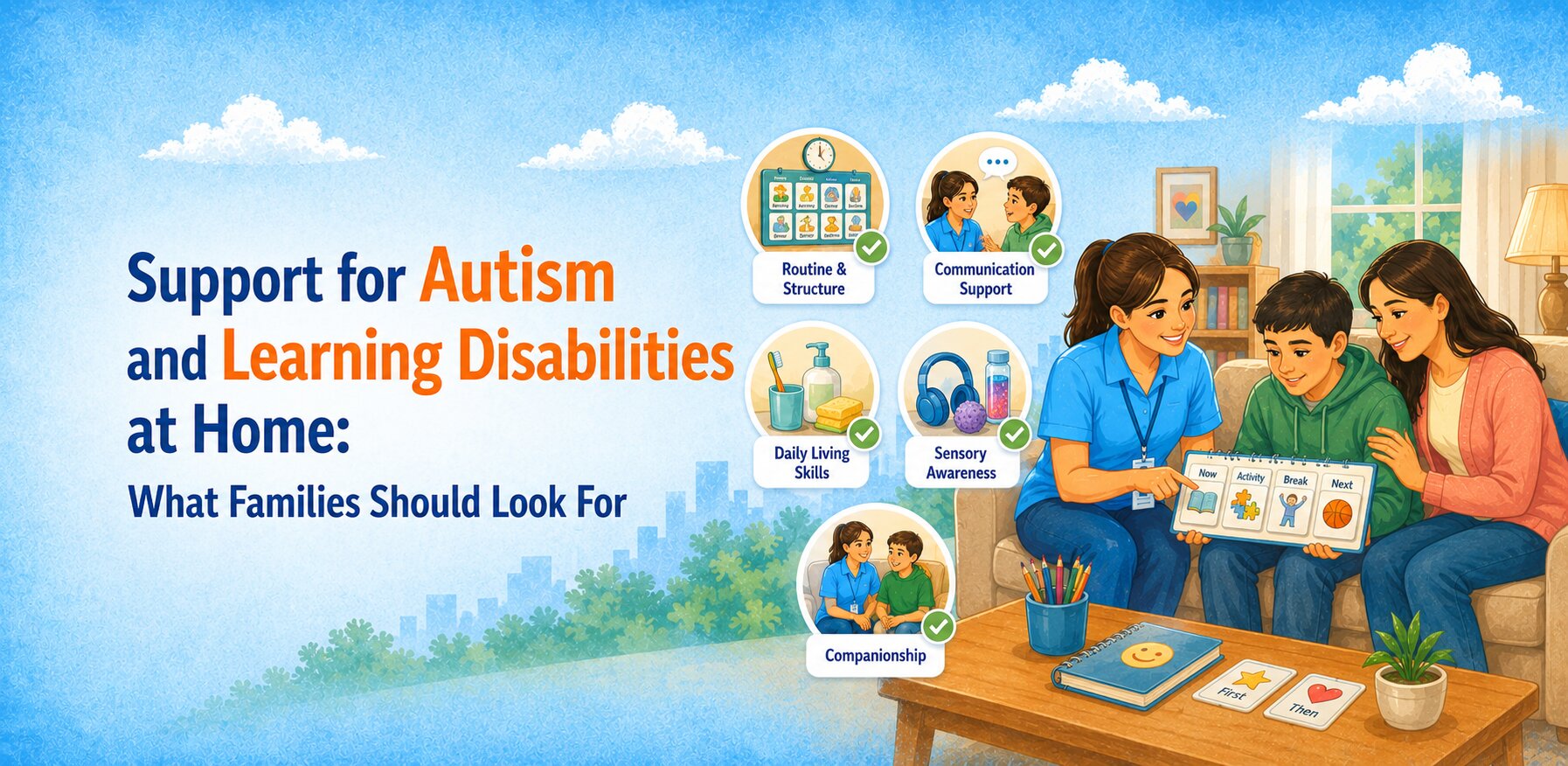
A practical guide for families looking for autism and learning disability support at home, including what to check, what questions to ask, and how to choose the right support worker.
Support for Autism and Learning Disabilities at Home: What Families Should Look For
Finding the right support at home can feel difficult, especially when the person you care for has specific needs, routines, and ways of communicating.
Many families are not simply looking for general help. They are looking for someone who understands how to support a child, young person, or adult with autism or a learning disability in a respectful, practical, and person-centred way. That is a very different thing from hiring the first available carer.
Good support at home should do more than cover tasks. It should help the person feel safe, understood, and able to live with as much comfort, confidence, and independence as possible. It should also give families peace of mind that the person providing support is suitable, reliable, and experienced.
In this guide, we explain what families should look for when arranging autism and learning disability support at home, what questions to ask, what mistakes to avoid, and how to choose support safely in the UK.
Why Specialist Support Matters
Not every support worker is the right fit for autism or learning disability support.
A person may be caring, kind, and willing to help, but still lack the understanding, patience, or communication approach needed to provide proper support. This is why families should not treat specialist support as interchangeable with general home care.
For example, an autistic person may have sensory sensitivities, a strong need for routine, or a specific way of processing communication. A person with a learning disability may need support that promotes choice, confidence, and independence without being rushed or talked over. In both cases, the wrong approach can lead to anxiety, frustration, or a breakdown in trust.
The right support worker should understand that good support is not about taking over. It is about enabling the person in a respectful and consistent way.
What an Autism Support Worker at Home May Help With
Families searching for an autism support worker at home are often looking for practical and emotional support that fits into daily life.
Depending on the individual, support may include:
- Help with routines and structure
- Support with meals and daily living tasks
- Encouragement with personal organisation
- Community access and social activities
- Support with appointments
- Reassurance during times of stress or change
- Communication support
- Sensory-aware support at home
- Building confidence and independence
A good autism support worker should understand that autism is not one single experience. Needs vary widely from one person to another. That means support should be tailored, not generic.
What a Learning Disability Support Worker in the UK May Help With
Families searching for a learning disability support worker UK are often looking for someone who can provide practical help while also respecting the person’s rights, preferences, and independence.
Support at home may include:
- Help with household routines
- Support with meal planning and cooking
- Assistance with shopping and errands
- Help attending appointments
- Support with medication prompts
- Encouragement with budgeting or simple life skills
- Companionship and emotional support
- Support with community activities
- Promoting confidence and independent living
The aim should not be to make the person dependent on support. Good support should build trust, routine, and practical stability while encouraging the person to do as much as they can for themselves.
What Families Should Look For in a Support Worker
When choosing support, families often focus first on availability. That is understandable, but it is not enough.
If you are deciding how to choose a support worker for autism or for a person with a learning disability, these are the areas that matter most.
Understanding and Relevant Experience
Experience should be relevant, not vague.
Ask whether the person has supported autistic individuals or people with learning disabilities before. Ask what kind of support they provided. Ask whether they have worked with similar communication needs, routines, behaviours, or levels of independence.
Be cautious with broad claims such as “I have worked in care for years.” General care experience does not automatically mean the person understands autism or learning disability support well.
Communication Style
Communication matters a great deal in support work.
A strong support worker should be calm, clear, respectful, and able to listen. They should adapt their communication to the person, rather than expecting the person to adapt to them.
This includes things like:
- Speaking clearly and respectfully
- Giving time to process information
- Avoiding a rushed or patronising manner
- Listening to preferences and boundaries
- Understanding non-verbal communication where relevant
If the worker speaks over the person, ignores their preferences, or seems impatient, that is a warning sign.
Consistency and Reliability
For many autistic people and people with learning disabilities, consistency matters.
Unpredictable support can create distress and uncertainty. Families should look for someone who is reliable, punctual, and able to maintain routines as agreed. This is especially important where a person depends on structure to feel safe and settled.
Respect for Dignity and Independence
Good support should promote the person’s rights and autonomy.
A suitable worker should not be controlling, dismissive, or overbearing. They should understand the importance of consent, choice, privacy, and dignity. Even where a person needs a high level of support, they should still be involved in decisions about their own life as far as possible.
The Importance of Personality Fit
This is often underestimated.
Two workers may both have the right documents and basic experience, but only one may be the right personal fit. Families should think carefully about whether the worker’s manner, tone, patience, and attitude are suitable for the individual.
The best match is often someone who makes the person feel comfortable, respected, and at ease.
Safety Checks Families Should Not Skip
Whether you are arranging support directly or through a platform, there are some checks you should not ignore.
Ask about:
- DBS checks
- Right to work in the UK
- Relevant training
- Previous experience
- References
- Identity verification
- Insurance, where appropriate
Families should also ask how these checks have been carried out and whether they are up to date.
A support worker may sound excellent in conversation, but basic compliance checks still matter. Good judgement and proper checks should go together.
Ask for References
If you are arranging private support, ask for references.
A reference can help confirm whether the worker has been reliable, professional, punctual, and suitable in previous roles. It can also give you more confidence that the person has genuine experience rather than simply presenting well online.
This is a sensible step, not a personal insult. Any professional support worker should understand why families ask.
Use Platforms That Carry Out Background Checks
Families are often safer using a platform that carries out background checks and verifies workers before they are listed.
This can help reduce risk by making it easier to:
- View profiles in one place
- Compare relevant experience
- check location and availability
- message workers before booking
- use a more structured booking process
- avoid relying only on informal recommendations or social media posts
That said, background checks are only one part of safe decision-making. Families should still speak to the worker, ask questions, and consider whether the match feels right.
Step-by-Step: How to Choose the Right Support
1. Start with the person’s needs
Write down what support is actually needed.
Think about:
- daily routines
- communication style
- personal care needs, if any
- support with meals or medication prompts
- community access
- sensory preferences
- behaviour support needs
- preferred days and times
- what a good visit would look like
The clearer you are, the easier it will be to identify the right person.
2. Think beyond qualifications
Training matters, but so do patience, reliability, emotional intelligence, and attitude.
Some families make the mistake of choosing based only on certificates. In practice, the worker’s approach and consistency often matter just as much.
3. Shortlist people with relevant experience
Look for workers whose profiles clearly mention autism support, learning disability support, community access, independent living, or similar areas relevant to your situation.
Avoid people whose experience is too general if you need specialist support.
4. Ask direct questions
Before booking, ask practical questions such as:
What experience do you have supporting autistic people or people with learning disabilities?
How do you adapt your communication?
How do you support routines and independence?
Have you worked with similar needs before?
Do you have references?
What checks have been completed?
What areas do you cover?
What is your availability?
The answers matter, but so does the way they answer.
5. Start carefully
If possible, begin with a smaller arrangement before committing to a long-term routine.
This gives the person receiving support time to adjust and gives the family a chance to assess whether the support is genuinely working.
Common Mistakes to Avoid
Choosing the first available person
Urgency can lead families into poor decisions. Speed matters sometimes, but suitability matters more.
Assuming all carers can provide specialist support
This is not true. Autism and learning disability support require more than general goodwill.
Ignoring the person’s preferences
Families sometimes focus only on what they want from the support worker. The individual receiving support should be central to the decision.
Not asking for references or checks
This creates unnecessary risk. Always ask.
Overlooking communication style
A person may have the right experience on paper but still be the wrong fit because of how they communicate.
Focusing only on tasks
Support is not just about getting things done. It is also about trust, confidence, consistency, and emotional safety.
Why the Right Support Can Make a Big Difference
The right support worker can make daily life more stable and less stressful.
They can help someone feel more confident at home, take part in the community, maintain routines, and build independence over time. They can also reduce pressure on family members and provide reassurance that support is being delivered safely and respectfully.
For many families, the biggest benefit is not simply practical help. It is knowing the person is being supported by someone who understands them properly.
FAQ
What should I look for in an autism support worker at home?
Look for relevant autism experience, calm communication, patience, reliability, and an ability to respect routines, sensory needs, and personal boundaries.
What does a learning disability support worker in the UK do?
They may help with daily living, household routines, appointments, community access, confidence building, and independent living skills, depending on the person’s needs.
How do I choose a support worker for autism?
Start by defining the person’s needs clearly, shortlist workers with relevant experience, ask direct questions, request references, and use a platform that carries out background checks.
Should I ask for references?
Yes. References are a sensible and important part of choosing safe and reliable support.
Are background checks enough on their own?
No. They are important, but families should also assess communication, reliability, experience, and personal fit.
Final Thoughts
Choosing support for autism or learning disabilities at home is not only about finding someone kind or available. It is about finding someone suitable.
Families should look for relevant experience, calm and respectful communication, proper checks, references, and a genuine understanding of the person’s needs. It is also sensible to use platforms that help verify support workers and make the booking process more structured and transparent.
If you are looking for trusted support at home, you can see how it works or contact us. If you are a support worker with relevant experience and want to connect with families, you can sign up or visit our careers page.

About the Platform
Care Opt Team
The Care Opt Editorial Team provides expert insights and resources dedicated to empowering individuals through knowledge and compassionate community support.