What Does a Support Worker Do? Services They Can Help With at Home

Published by
Care Opt Editorial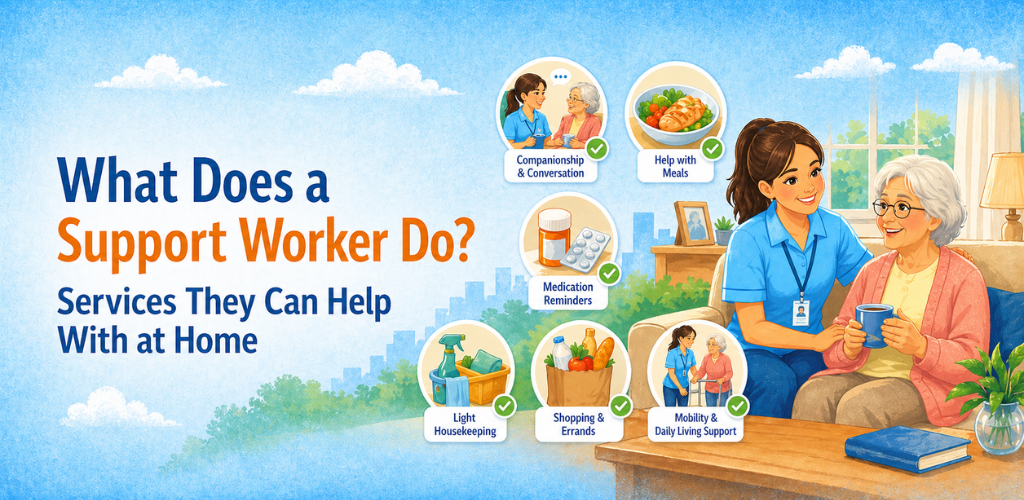
Learn what a support worker does at home, what services they provide, and how to choose safe, reliable private care in the UK.
What Does a Support Worker Do? Services They Can Help With at Home
Finding the right care at home can be difficult when you are not even sure what kind of help is available.
Many people in the UK start by asking the same question: what does a support worker do? Some are looking for help for an older parent. Others need support after illness, during recovery, or for someone living with dementia, autism, a learning disability, or reduced mobility. In many cases, families simply want practical, reliable support at home that helps a loved one stay safe, comfortable, and independent.
A support worker can play an important role in everyday life. They may help with personal routines, household tasks, appointments, companionship, and day-to-day wellbeing. Depending on the person’s needs, support can be occasional, regular, or more specialist.
This guide explains what support worker services at home can include, how private care works, what to check before arranging support, and the common mistakes families should avoid. It also includes guidance for those considering working as a self-employed care worker in the UK.
What Is a Support Worker?
A support worker is someone who provides practical and emotional support to a person who needs help to live safely and independently. This support is often delivered in the person’s own home, but it can also include help in the community, such as attending appointments, shopping, or social activities.
The exact role depends on the individual. Some people need low-level assistance and companionship. Others require more structured care at home because of age, disability, illness, or a long-term condition.
A support worker is not always the same as a nurse or a regulated healthcare professional. In many cases, they assist with non-clinical support, daily living tasks, and routines that improve quality of life.
What Does a Support Worker Do at Home?
When people search for support worker services at home, they are usually trying to understand what kind of practical help is available.
A support worker may help with:
- Personal care, such as washing, dressing, and grooming
- Meal preparation and support with eating and drinking
- Medication prompts
- Shopping and collecting essentials
- Light household tasks
- Laundry and changing bedding
- Companionship and conversation
- Support with hobbies and routines
- Escorting someone to appointments
- Community access and outings
- Mobility support around the home
- Emotional reassurance and wellbeing support
In many homes, the role is a mixture of practical tasks and human support. The right support worker can help reduce stress for families while allowing the person receiving support to maintain dignity and independence.
Who Might Need Care at Home?
Care at home can benefit a wide range of people across the United Kingdom.
Older people who want to remain at home
Many families look for home support for elderly people when a parent or relative starts struggling with everyday tasks. They may not need residential care, but they do need regular help to stay safe and well.
People living with dementia
A support worker may provide routine, reassurance, companionship, and practical assistance for someone living with dementia. Consistency and calm communication are especially important here.
People with autism or learning disabilities
Some individuals need structured support with routines, appointments, community access, and independent living skills. The right worker should understand communication needs and person-centred support.
People recovering after illness or hospital discharge
Temporary private care at home can help during recovery from surgery, illness, or injury. This may involve meal support, mobility help, medication prompts, and general wellbeing checks.
People with disabilities or long-term conditions
A support worker may assist with everyday living, confidence, social inclusion, and practical routines that help someone stay independent in their own home.
Types of Services a Private Support Worker Can Help With
If you are exploring private care options, it helps to break the role down into clear service areas.
Personal Care Support
Personal care includes direct help with daily hygiene and dressing routines. This may involve:
Washing and bathing
A worker may assist with bathing, showering, or washing at the sink while protecting privacy and dignity.
Dressing and grooming
This can include choosing suitable clothing, fastening garments, hair care, and support with morning or evening routines.
Toileting support
Some people need discreet help with toileting, continence products, or safe transfers to and from the bathroom.
Personal care should always be handled professionally, respectfully, and with proper boundaries.
Practical Help Around the Home
Not everyone who needs support requires personal care. Many people mainly need help with day-to-day tasks.
Meal preparation
A support worker may prepare simple meals, encourage hydration, and make sure food is suitable for the person’s needs.
Housekeeping
This can include light cleaning, tidying, laundry, washing up, and keeping the home environment safe and manageable.
Shopping and errands
A private carer or support worker may collect prescriptions, buy groceries, or assist with general errands.
These forms of support are often what make it possible for someone to remain at home longer.
Companionship and Emotional Support
Loneliness is a serious issue for many people receiving care at home. A support worker is often valued not just for the tasks they do, but for the company they provide.
Companionship may include:
- Spending time talking and listening
- Encouraging hobbies and interests
- Sharing a walk or outing
- Helping reduce isolation
- Supporting emotional wellbeing
This kind of support can be especially important for older people living alone.
Support in the Community
A support worker’s role is not always limited to the home.
Attending appointments
They may accompany someone to GP visits, hospital appointments, therapy sessions, or community activities.
Social outings
This may include visiting family, attending local groups, going to cafés, or taking part in meaningful activities.
Building independence
For some people, especially younger adults with support needs, the focus may be on confidence, life skills, and active participation in the community.
Specialist Support at Home
Some workers have experience in specific areas and can offer more tailored support.
Dementia support
This often involves routine-based care, reassurance, patience, and understanding how dementia affects memory, behaviour, and communication.
Palliative support
Families may seek extra support at home for someone with a life-limiting condition. In these cases, sensitivity, reliability, and coordination with other professionals are important.
Autism support
A worker may support structure, communication, community access, and predictable routines for autistic individuals.
Learning disability support
This may include practical assistance, emotional support, and encouragement with independent living tasks.
Not every worker is suitable for every situation. Relevant experience matters.
How to Choose Safe and Reliable Private Care
Families looking for a private carer or self-employed care worker often focus first on availability and cost. That is understandable, but it is not enough.
You should also look carefully at safety, checks, and professionalism.
Step-by-Step Guidance for Families
1. Be clear about the support needed
Write down the type of help required. Is it personal care, companionship, support with dementia, appointments, or household tasks? Is it short-term or ongoing?
2. Decide what matters most
Think about location, experience, availability, personality, and whether the person needs specialist knowledge.
3. Ask about checks and documents
Do not skip this. Whether you find someone directly or through a platform, ask what checks have been completed.
You should look for:
- Identity verification
- Right to work in the UK
- DBS check
- Relevant training
- Experience in care or support
- References
- Insurance, where appropriate
4. Ask for references
References matter. They help you understand whether the person has been reliable, professional, and suitable in previous roles. A family should not feel awkward about asking.
5. Use platforms that carry out background checks
This is one of the safest ways to find support. A platform that verifies carers, reviews documents, and supports a structured booking process reduces risk for families. It also makes it easier to compare profiles and choose a suitable match.
6. Speak with the worker before booking
A short conversation can reveal a lot. Ask how they work, what experience they have, and how they would support your situation.
7. Start carefully
If possible, begin with a smaller arrangement before committing to a long-term routine. This helps confirm whether the match works in practice.
Legal and Practical Points to Consider
When arranging private care in the UK, families should think beyond the immediate need for help.
If someone is working independently as a self-employed care worker, it is important to understand that self-employment does not remove the need for professionalism, safe practice, and proper records.
Families should check:
- Whether the worker is genuinely self-employed
- What services they are providing
- Whether there is a clear agreement in place
- Whether references and checks have been obtained
- How payment and bookings are handled
- Whether the arrangement protects both sides
This is another reason why many people prefer using a platform that manages the process more safely. It can help families find private care with more confidence and help workers present themselves professionally.
Common Mistakes to Avoid
When choosing care at home, these are some of the most common mistakes families make.
Choosing on price alone
Low cost is not always good value if the support is unreliable or unsuitable.
Not asking for references
A worker may seem friendly and capable, but references provide another layer of reassurance.
Ignoring background checks
Families sometimes assume checks are in place when they are not. Always ask.
Being vague about needs
If you are unclear about the support required, it is harder to find the right match.
Overlooking personality and fit
Even a qualified worker may not be the right person for a particular home or individual.
Not using a trusted platform
A platform that handles profiles, checks, communication, and bookings can reduce risk significantly.
Guidance for Self-Employed Care Workers
If you are a self-employed care worker, families are more likely to trust you when you present yourself properly.
You should be ready to show:
- Relevant experience
- A current DBS check
- References
- Proof of identity
- Right to work documents
- Relevant training
- Professional communication
- Clear availability and service areas
It is also sensible to join a platform that helps with visibility, structure, and trust. This makes it easier for families searching for private care to find you and book with confidence.
FAQ
What does a support worker do?
A support worker helps people with practical tasks, daily routines, wellbeing, independence, and in some cases personal care at home.
Is a support worker the same as a private carer?
Sometimes the terms overlap, but the exact role depends on the type of support being provided. A private carer may focus more on direct care tasks, while a support worker may also help with independence, companionship, and community access.
Can a support worker help elderly people at home?
Yes. Many families arrange home support for elderly people to help with daily routines, meals, companionship, appointments, and general wellbeing.
What should I check before hiring a self-employed care worker?
Ask for references, DBS information, right to work documents, relevant experience, and use a platform that completes background checks where possible.
Is private care at home safe?
It can be, but only if families do proper checks and choose carefully. Asking for references and using a trusted platform improves safety.
Final Thoughts
Understanding what a support worker does helps families make better decisions about care at home.
For some people, the right support is simple companionship and help around the house. For others, it is more structured private care linked to dementia, disability, recovery, or long-term health needs. In both cases, good support should be practical, respectful, and safe.
If you are looking for help at home, take time to define the support needed, ask for references, and use a platform that carries out background checks for carers. That approach is safer and far more likely to lead to the right match.
If you need help finding trusted support, contact us or see how it works. If you are a self-employed care worker looking to connect with clients, you can sign up or explore opportunities on our careers page.

About the Platform
Care Opt Team
The Care Opt Editorial Team provides expert insights and resources dedicated to empowering individuals through knowledge and compassionate community support.